Understanding Ginkgo Biloba
Introduction
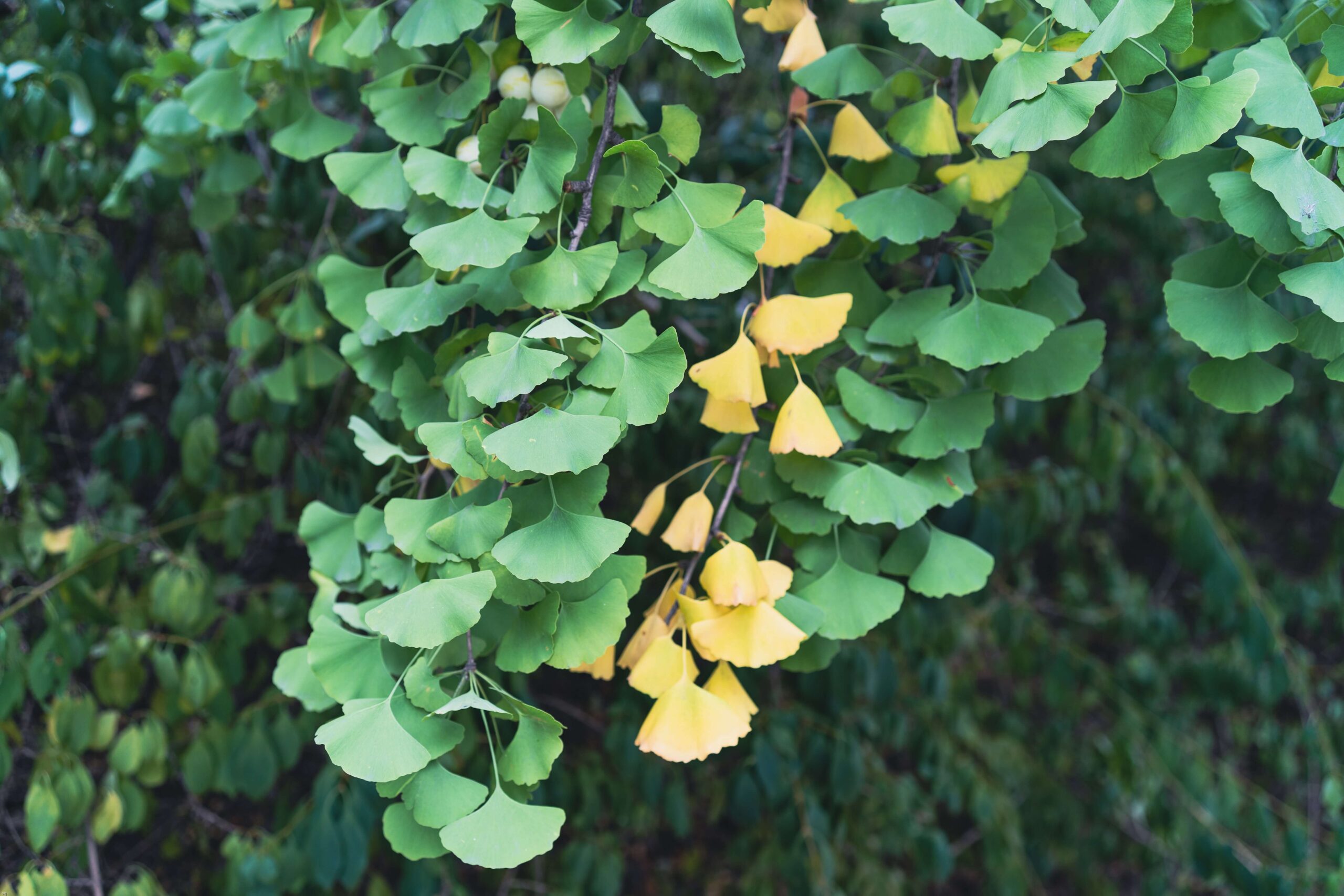
Let us start by stating that people love this kind of stuff. They absolutely love it. This tree is native to China and it has existed for millions of years. These trees can grow up to around 35m in height, and sometimes even higher. The trees are very strong and durable, also resistant to many different weather conditions. Ginkgo biloba extracts are often used as herbal medicine. The Ginkgo nuts and seeds are also often used in Asian food. However, it is worth noting that too much of something is also harmful and the seed may cause ginkgotoxin. Others may develop allergic reactions such as contact dermatitis when they come in touch with the sarcotesta. But more about this later.
FDA and SAHPRA
You will not be surprised to hear that there are no FDA-approved indications for Ginko biloba. Out of interest, phenobarbital is also not yet approved by the FDA as well. But the reasons are different, in phenobarbital’s case, it has not yet been approved because the drug existed for many years before the “FDA review process” came into effect. In South Africa for instance, Dischem also sells Gingko biloba tablets which are not yet approved by SAHPRA.
Mechanism of Action
There are two main active ingredients: terpene lactones and ginkgo flavone glycosides. Ginkgo biloba extracts affect several pathways such as inhibiting the uptake of serotonin and dopamine, inhibiting the activity of anticholinesterase (thus increasing neuronal transmission), reducing the production of free radicals, and protecting neurons from oxidative stress. However, most of these findings are from studies done on rats. In the cardiovascular system, Gingko biloba extracts have a vasodilatory and fibrinolytic effect.
Administration and Dose
The most common extract is called EGb 761, and it includes 24% flavonoid glycosides and 6% terpenoids. Hence, when buying these products one should ensure to look for these ratios. The most common dose is either 40mg PO TDS or 80mg PO BD, with a maximum dose of 240mg/day.
Benefits and Drawbacks
There is no evidence in systematic reviews that Ginkgo biloba is effective for the management of hypertension, post-stroke recovery, and peripheral arterial disease. There have been several studies on the Ginko biloba extract’s effect on neurocognitive function. A 2007 study stated that at doses of greater than 200mg/day (Ginkgo biloba extract) for at least five months the extract would have a potentially beneficial effect on patients that were suffering from dementia. It does not prevent dementia and there is no supporting evidence for the use of Ginkgo biloba for the enhancement of the cognitive function of healthy adults.
There is some evidence that it decreases the plasma lipoprotein (a) which is a risk factor for atherosclerosis and it may have some benefits for patients who are affected by type 2 Diabetes Mellitus. However, there is insufficient evidence to indicate its use in order to prevent cardiovascular diseases.
In patients diagnosed with psychiatric disorders, the Ginkgo biloba extract has been proven to have a positive effect in reducing the symptoms of tardive dyskinesia. If used together with citalopram as an adjunctive treatment, it may also decrease depressive and cognitive symptoms of patients who are suffering from depression.
Ginko biloba also shows some benefits for the treatment of visual problems such as macular degeneration and glaucoma. However, there is insufficient evidence to incorporate this in the treatment for such conditions.
There is also insufficient evidence that Ginkgo Biloba is helpful in the treatment of vertigo and tinnitus.
Side Effects
Most of the side effects depend on the amount consumed, these include headaches, palpitations, vitamin B6 deficiency, allergic reactions, gastrointestinal symptoms (nausea, vomiting, diarrhea), and increased risk of bleeding. In pregnant patients, it has been said that it may also increase the bleeding time. There is insufficient evidence about its safety during lactation.
Contraindication
Because of the risk of bleeding, patients with bleeding disorders and medications which promote bleeding should not take it.
2. Yuan, Q., Wang, C., Shi, J. and Lin, Z., 2017. Effects of Ginkgo biloba on dementia: An overview of systematic reviews. Journal of Ethnopharmacology, 195, pp.1-9.
3.Zheng, W., Xiang, Y., Ng, C., Ungvari, G., Chiu, H. and Xiang, Y., 2016. Extract of Ginkgo biloba for Tardive Dyskinesia: Meta-analysis of Randomized Controlled Trials. Pharmacopsychiatry, 49(03), pp.107-111.


Made with ❤️ by QuickBeat
We are a small education agency that aims to provide medical education.
EXPLORE
SERVICES
CONTACT
- Pretoria North, Gauteng
- contact@quickbeat.co.za